
Replacing missing teeth
Dental prosthetics
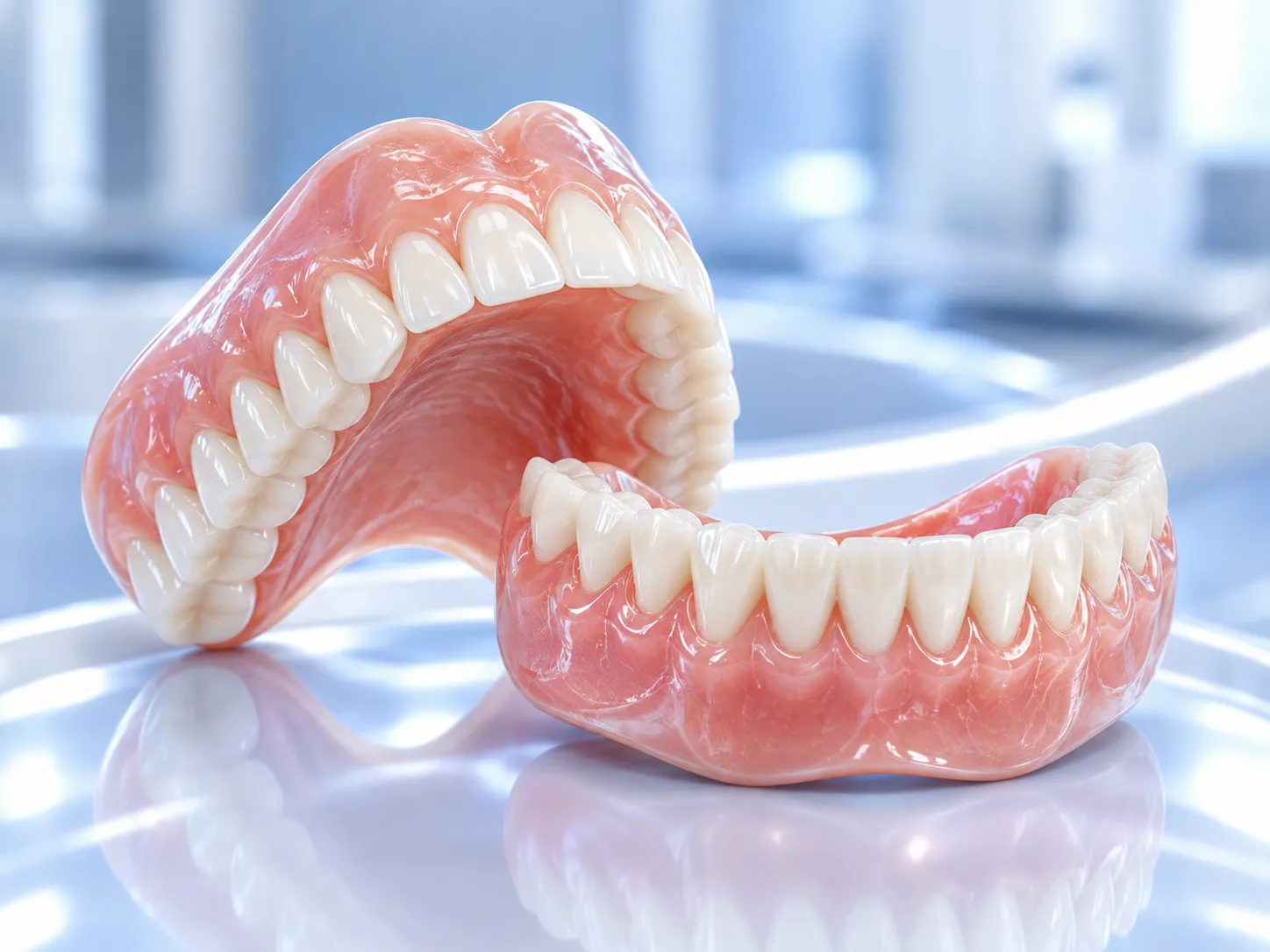
Prostheses offer different options for replacing missing teeth and supporting chewing function. Choice is made with oral structure and daily use in mind.
General oral-health information; not a personal diagnosis or treatment recommendation. This page must not be read as the clinic’s confirmed service list.
About this topic
Prosthesis options
Fixed, removable or implant-supported restoration options for replacing missing teeth.
When are they considered?
Options can be compared when one or more teeth are missing or an existing restoration needs replacement.
How is a prosthesis chosen?
Missing areas, remaining teeth, gums, bite, manual dexterity and expectations are assessed together.
Main planning steps
- Examining the mouth and jaw structure
- Comparing fixed, removable and implant-supported options
- Defining impressions, design and use conditions
- Creating a plan for fit, cleaning and review
Use and care
Cleaning depends on the type of prosthesis. Daily care and regular reviews support fit and oral health.
Caution: Adjustment issues can occur initially; pain, sores or marked movement should not be corrected independently.
Frequently asked questions
Which prosthesis is most suitable?
Choice depends on missing teeth, remaining tissues, general health, expectations and care conditions.
Can I eat with a prosthesis?
Fit and use vary; gradual use and personal guidance are important during adaptation.