
Restorative care
Dental fillings
A filling aims to clean and repair a damaged area with a suitable material. The extent of tissue loss affects whether it is appropriate.
General oral-health information; not a personal diagnosis or treatment recommendation. This page must not be read as the clinic’s confirmed service list.
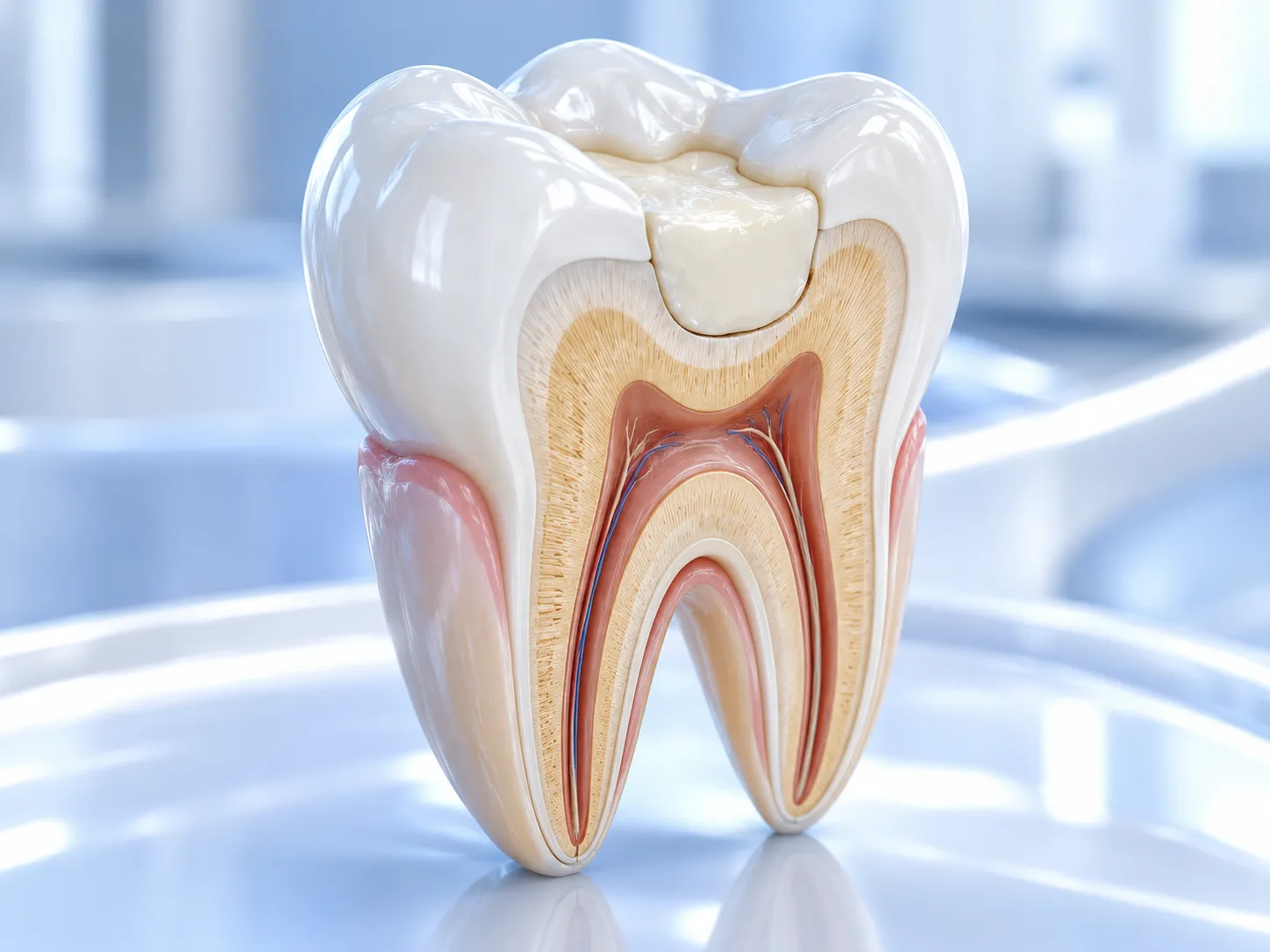
About this topic
What does a filling repair?
A restorative option for repairing tooth tissue lost through decay or small fractures.
When may a filling be considered?
A filling may be considered after examination when decay, a fracture, wear or similar tissue loss is present.
How is the decision made?
The depth of the loss, tooth position, biting forces and surrounding tissues are reviewed. Another treatment may sometimes be needed.
How does the procedure proceed?
- Examining the tooth and surrounding tissues
- Assessing the depth of decay or damage
- Selecting a suitable material and method
- Checking function and care needs
After a filling
Take care when biting and eating hot food until numbness has passed. Seek an examination if sensitivity continues.
Caution: Deep decay may require different options. Decisions should not be based only on an image or online symptoms.
Frequently asked questions
Are fillings suitable for every cavity?
Suitability depends on the depth of decay, remaining tooth tissue and clinical findings.
Is sensitivity after a filling normal?
Short-term sensitivity can occur; severe or persistent symptoms require an examination.