
Jaw and muscle health
Teeth grinding and night guards
Clenching and grinding may appear as worn teeth, morning jaw fatigue or muscle pain. Assessment is broader than deciding on a night guard.
General oral-health information; not a personal diagnosis or treatment recommendation. This page must not be read as the clinic’s confirmed service list.
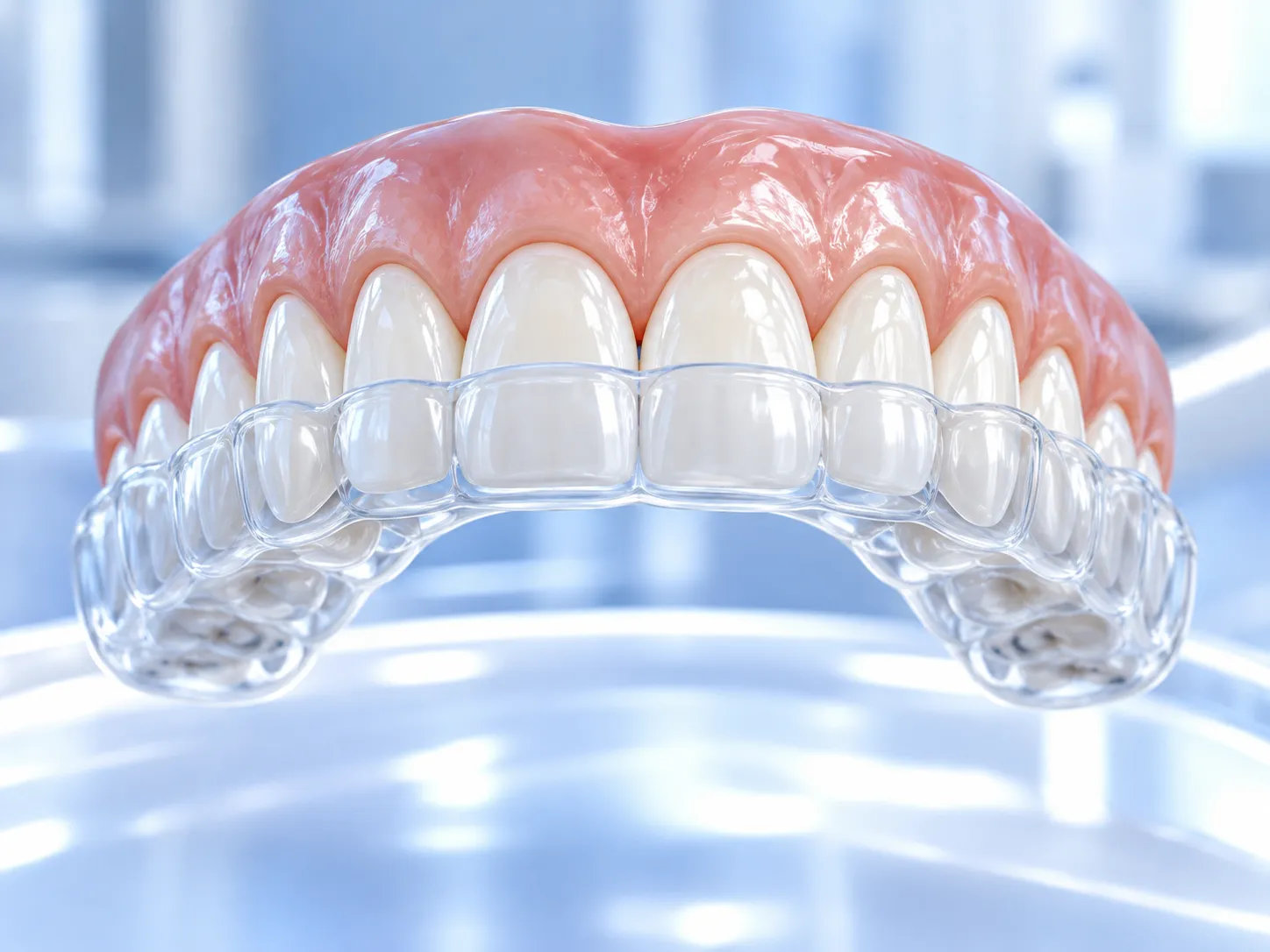
About this topic
Clenching and grinding
An assessment of how clenching and grinding may affect teeth, jaw muscles and joints.
Which symptoms matter?
An examination may be appropriate for morning jaw fatigue, tooth wear, head or facial pain or grinding noticed by someone else.
During assessment
Tooth wear, bite, jaw joints and muscles, sleep and stress-related habits are considered together.
Follow-up options
- Reviewing symptoms and tooth wear
- Assessing bite and jaw movement
- Selecting a personalised appliance if appropriate
- Explaining use, cleaning and follow-up
In daily life
If a night guard is recommended, clean it regularly, protect it from heat and review its fit at appointments.
Caution: A night guard is not a solution for every jaw pain. Sudden locking, severe pain or post-trauma symptoms require examination.
Frequently asked questions
Does a night guard stop grinding completely?
An appliance may help protect teeth and some tissues; causes and expectations should also be assessed.
Can I use a ready-made guard?
Fit and bite vary, so a dentist should assess the suitable appliance and use.